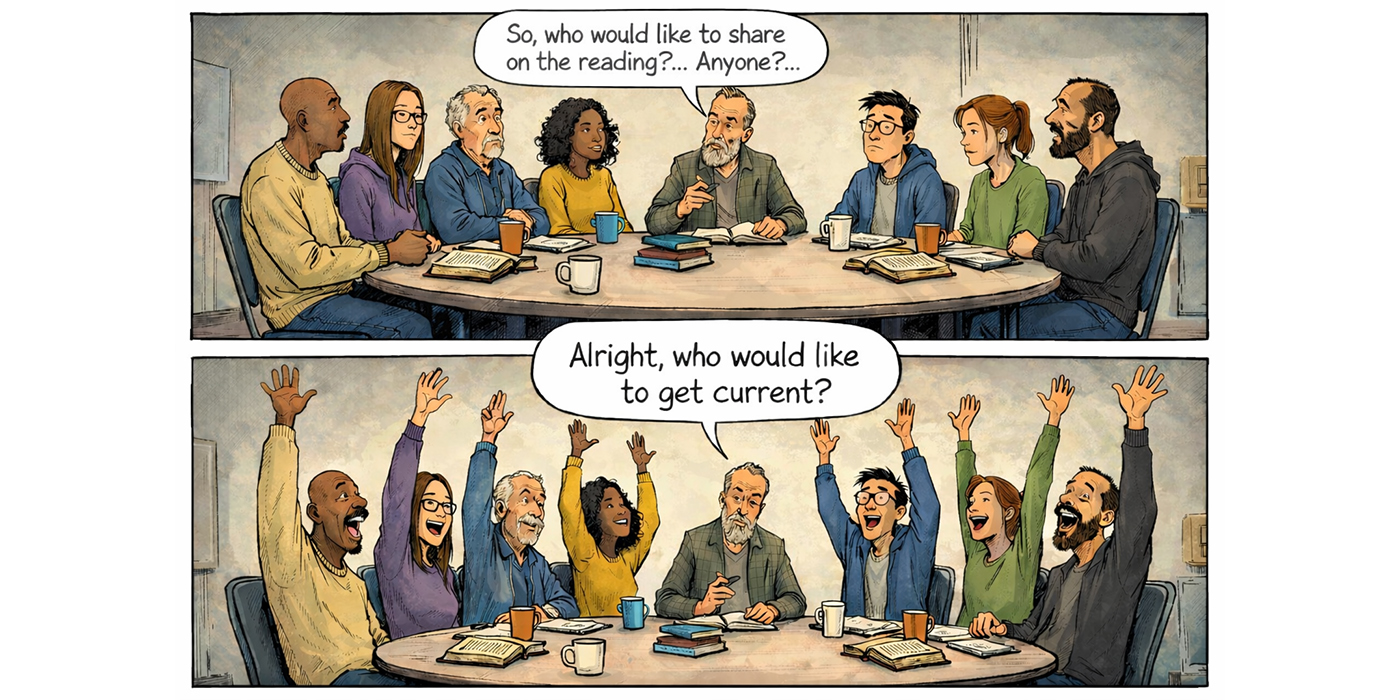
Celebrating the Steps and recovering together in mixed meetings brought life to India’s first-ever convention.
From 2020 onward, online meetings gave SA India a strong push, resulting in steady growth in both members and meetings.
A major turning point came when a Higher Power sent Luc D, a member from Belgium, who was willing to conduct a workshop in person. At that time, very few in-person meetings had begun, and the Bangalore Fellowship stepped forward to host the workshop. By God’s grace, that event became a powerful inspiration. Following the workshop, the SA India Intergroup was formed, providing a unified structure. The Mumbai Fellowship then proposed hosting the first-ever SA India Convention, and by God’s will, that became a reality.
Both Mumbai members and the SA India Intergroup began planning for the convention, held during the 14-16 of November. Over 60 members participated. The convention opened on Friday evening with Step Zero, highlighting the importance of program tools, meeting attendance, and active participation.
A session on relapse prevention followed, where members shared practical tools to avoid relapse. The recurring message was the principle we all cherish—surrender. Many shared that surrender is something they must practice daily, and that working the Steps is
the only solution.
Step One focused on complete surrender. One member shared using a “surrender salute” to turn away when triggered. Another shared deeply: “If I am lusting and losing something more precious than lust, that is my rock bottom.”
In Step Two, members spoke about coming to believe in a Power greater than themselves.
One shared the need for brutal honesty, while another shared how their Higher Power helps
them cope with shame, guilt, and fear of the past, present, and future.
After the first day’s sessions, fellowship naturally followed. Many of us stayed awake late, laughing, sharing, and playing games. Some woke early for a nature walk, and a small yoga session was organized the next morning, adding to the sense of connection.
Step Three was explained through the powerful “Valley Story.” A member described life in a village called Lustpur, separated from recovery by a deep valley with no bridge. The only way across was to jump. After blaming himself and others, he realized both were acts of selfishness. Step Three became clear: complete powerlessness and complete surrender. He shared that trusting the Power of the Unknown allowed him to remain surrendered.
Step Four addressed the courage to look within. Members were encouraged to examine where
they were wrong, where harm was caused, and what patterns were repeated. This step was framed not as shame, but as clarity and responsibility, preparing the way for Step Five.
In Step Five, a member shared how admitting his part in a resentment toward his brother softened anger and restored connection. Responsibility replaced blame, leading to healthier
Relationships.
Steps Six and Seven were explained using nature as an analogy. Nothing in nature is called
defective; defects arise when we go to extremes. These steps invite readiness and humility, reminding us that defects are learned and can be unlearned with God’s help.
Steps Eight and Nine emphasized that amends are more than apologies. They require willingness and action. Members were reminded that these steps depend on the careful work of earlier steps.
Step Ten was described as a daily maintenance step, helping prevent lust and emotional hangovers such as fear, resentment, and dishonesty. Through pausing, prayer, and honest self-reflection, members learn to align with “Thy will, not mine, be done.”
In Step Eleven, members shared that conscious contact with a Higher Power can happen anytime—by pausing, breathing, and surrendering present thoughts and fears. Step Eleven is
about willingness, not perfection.
Step Twelve highlighted service and carrying the message. A simple experiment showed that while a currency stays with one person, the message reaches everyone. Service—through
meetings, sponsorship, and welcoming newcomers—keeps recovery alive.
A session on women’s safety and mixed meetings stressed clear boundaries; female members should have female sponsors only, and male members should not sponsor females. Mixed meetings were affirmed as essential, reminding us that all members are equal in SA.
The session on the 12 Traditions highlighted the triangle of Unity, Service, and Recovery. The group and the newcomer were emphasized as vital, with group conscience guiding decisions while protecting SA as a whole.
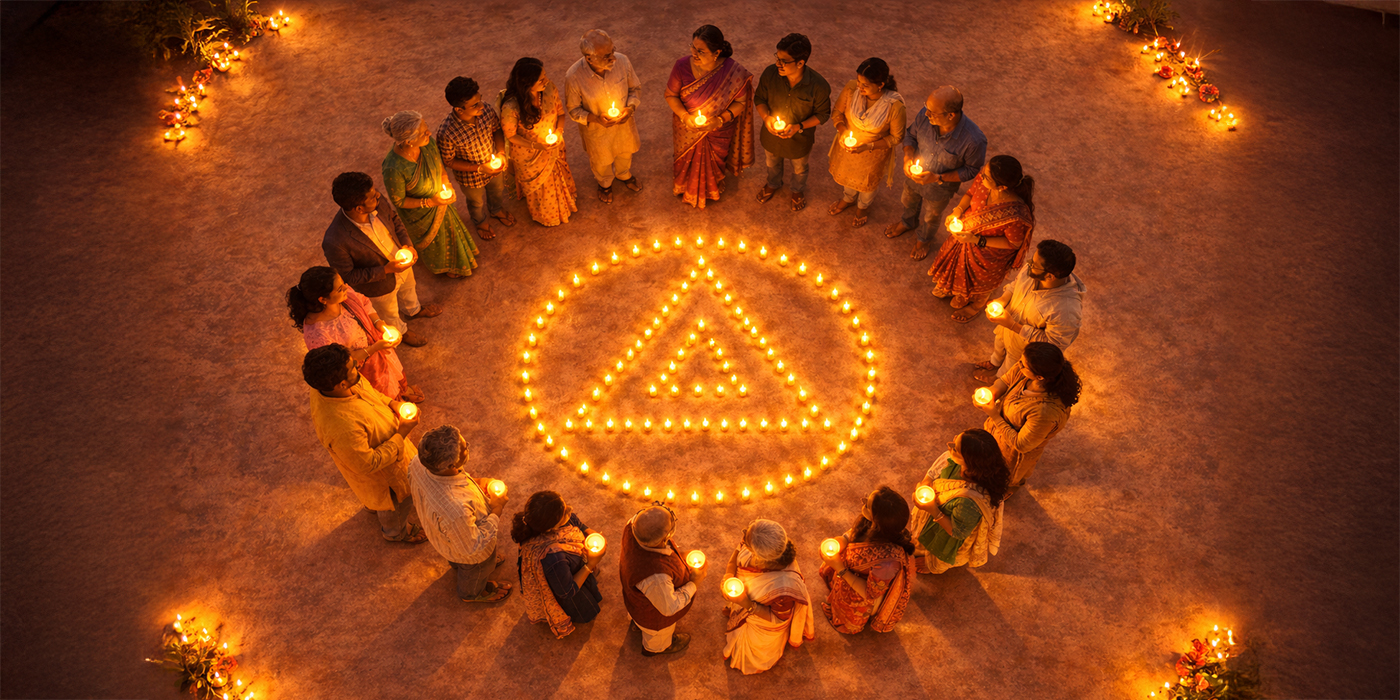
The convention closed with deep connection and gratitude. We prayed, danced, and shared openly. Sobriety chips were given, and standing in a candle-lit circle, we celebrated joy, hope, and freedom. Many continued fellowship late into the night, carrying home the spirit of unity and recovery that defined this convention.