
Daily Surrender, Steps 10-12
He learned the difference between white-knuckling (reliance on self) and true surrender (reliance on God).
When I was still deep in my addiction, I thought I knew how to interact with women: I performed, I craved, I hunted for the thrill of being wanted. I called it “romance” and “connection,” but really, I just wanted to be needed and admired. Lust, in every form, ran the show.
In those days—the practicing sexaholic stage—I didn’t know how to have an honest friendship with a woman. Every conversation hid a twist: “How can I get something from her? I might have claimed I wanted love, but the Big Book says it plainly:
“Selfishness—self-centeredness! That, we think, is the root of our troubles.” (AA 62)
That was me, always taking, never giving.
⸻
Then came the crash. The pain. The admission: I can’t do this alone. So I walked into a Fellowship and found people like me, who didn’t laugh when I said I couldn’t trust my mind, my eyes, or my ears.
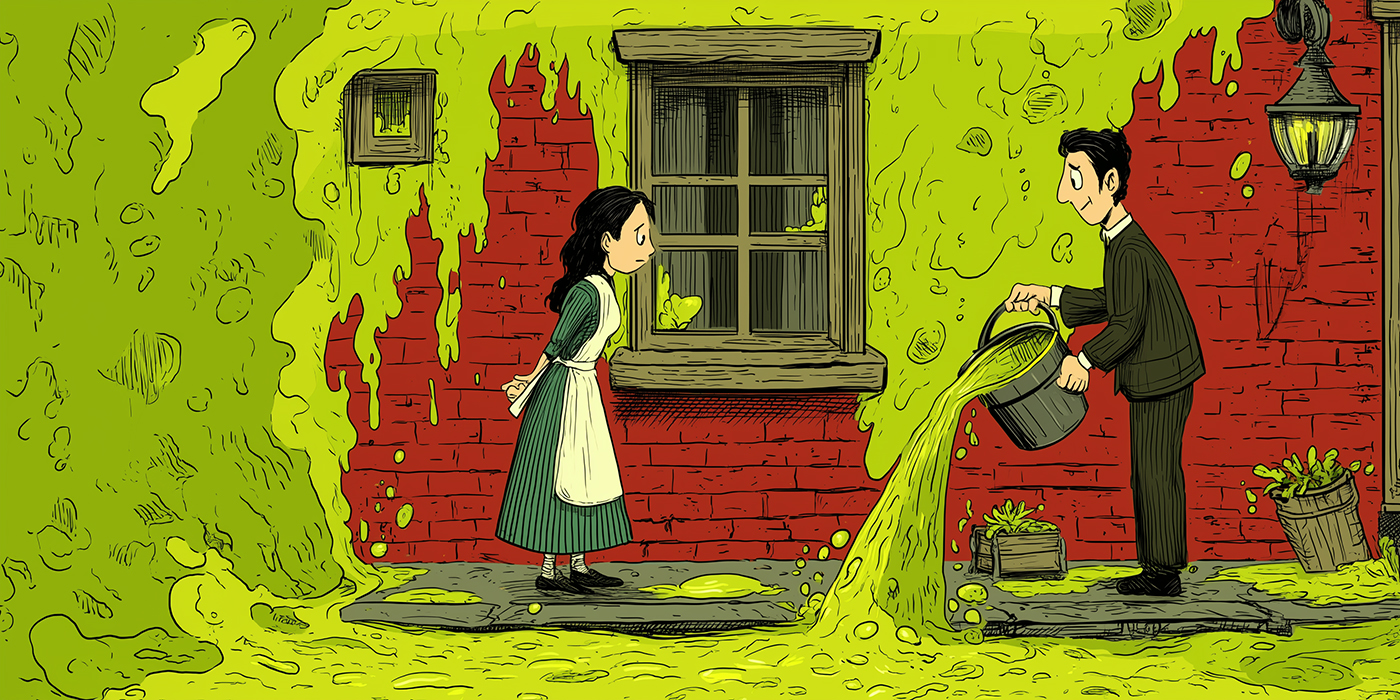
Early in recovery—the recovering sexaholic— I swung to the other extreme. I was so terrified of my triggers that I hid from women altogether. I turned off incoming video on calls, turned on closed captions so I didn’t have to hear certain voices, and avoided any deeper one-on-one chats with women.
It felt “safe”, but it also felt empty. And over time, I found myself angry at recovery itself; am I doomed to fear half the human race forever? The Big Book showed me this was not freedom yet: “In our belief any [plan of fighting sexaholism] which proposes to shield the sick man from temptation is doomed to failure.” (AA 101–102) I couldn’t bubble-wrap my eyes and ears forever. So what then?
⸻
That’s when I did the real work: take the steps. I dug deep, with a sponsor, into where my so-called “love” was really lust and fear. I learned to tell God the truth: I don’t know how to love rightly. Please teach me. I cleaned up my old messes. I practiced daily surrender: Steps 10–12.
Slowly, my motives changed. I didn’t want what I had before—secret messages, hidden flirts, selfish emotional entanglements. I wanted clean honesty, usefulness, and respect. And when I drifted, I asked God to remove my selfishness.
I remembered the Big Book again:
“We are like men who have lost their legs; they never grow new ones. Neither does there appear to be any kind of treatment which will make alcoholics like other men.” (AA 30)
I can’t regrow my “legs”. I can’t dabble with lust like normal men. But I can walk on new legs: God’s power, honest motives, and daily maintenance.
⸻
Today, at the recovered sexaholic stage, do I still avoid women? No. I don’t wear ear muffs and a blindfold anymore. I can be where triggers used to live—at work, at social events, in deep conversations, because now my reasons have changed. I check my motives: Am I here to give or get? Am I hiding a secret thrill? If my heart is crooked, I pause. If I’m shaky, I work with another sexaholic instead.
⸻
So for me:
- As a practicing sexaholic, I was driven by lust, with no real control.
- As a recovering sexaholic, I hid from triggers, but no freedom either.
- As a recovered sexaholic, I live among men and women freely—not because I’m strong, but because God keeps me honest and sane when I stay spiritually fit.
I don’t fear women anymore. I fear selfish motives more than I fear temptation. And I trust the daily Steps and God to keep my legs steady, one day at a time.
And as the Big Book promises:
“We are not a glum lot… we absolutely insist on enjoying life… We are sure God wants us to be happy, joyous and free.” (AA 132–133)
Bachan, India