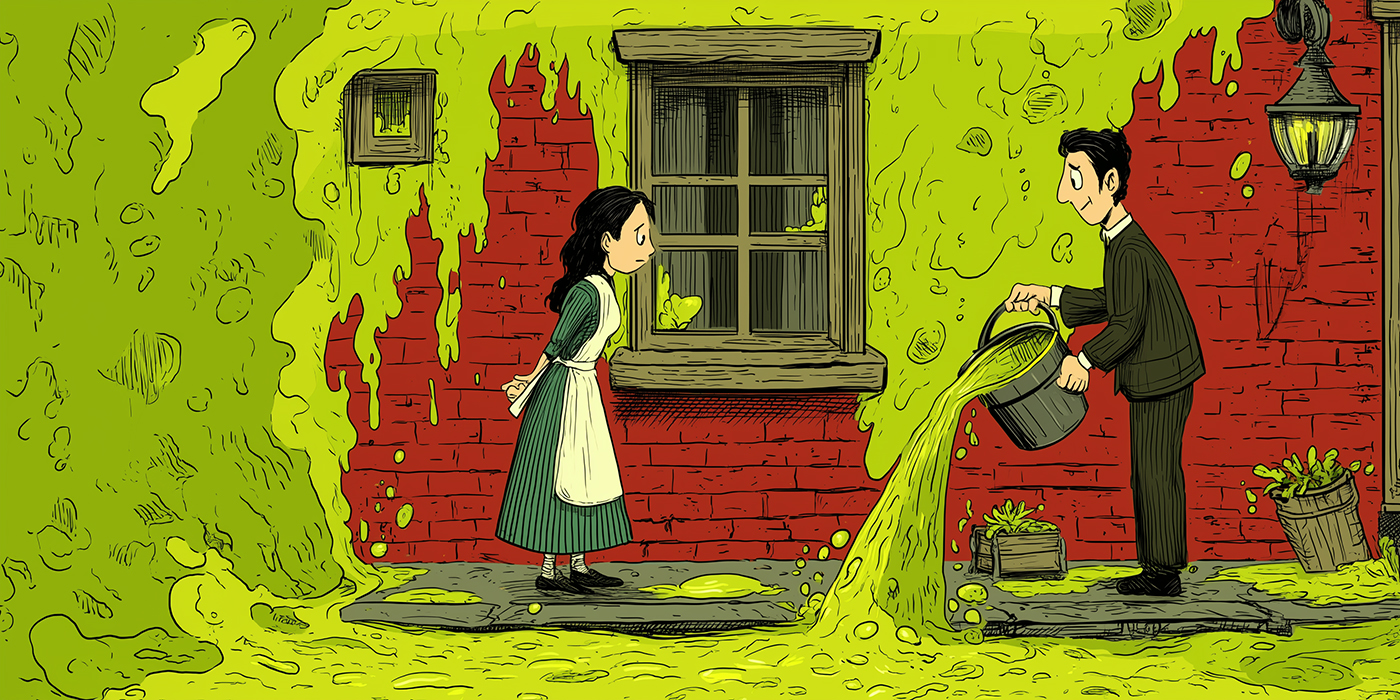
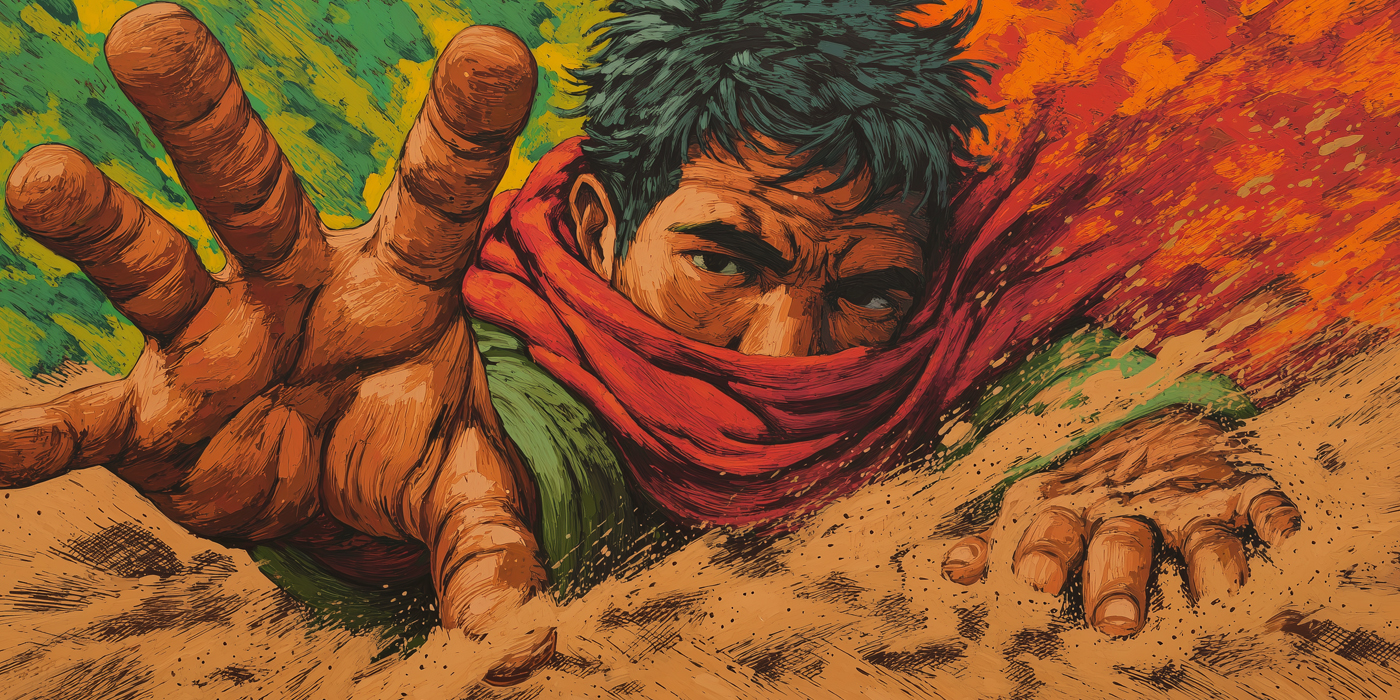
By presenting himself as he truly is, God meets him there with His love that transforms.
It wasn’t on the mountaintop where God found me, but in the dust. Not in the polished image I tried to uphold, but in the disorder of my soul. Over these past three months of sobriety, I’ve come to understand something I once feared: that my weakness is not an obstacle to the sacred—it is the doorway to it.
I’ve grown, for example, in my ability to ask for help without shame. Before, I used to hide behind a forced smile or silence, afraid to be seen in my struggles. Now I know that opening my heart in vulnerability doesn’t make me weak—it sets me free.
I’ve also learned to forgive myself. For years I punished myself for not living up to the ideal of holiness I had created in my mind. I believed I had to be perfect to deserve God’s love. But the spirituality of imperfection has taught me that God is not waiting for my perfection, but for my honesty. His mercy reaches me not when I prove myself worthy, but when I admit I cannot be.
Another area of growth has been in the way I pray. I no longer try to impress God with the “right” words or a polished devotion. I simply show up—as I am. Tired. Sometimes confused. Sometimes at peace. And I’m discovering that God prefers my truth over my performance.
Even the way I look at others is changing. The spirituality of imperfection is making me more compassionate. I used to judge others quickly, from a silent pedestal of false strength. Now, from within my own wounds, I can look at a struggling brother and say, “I’ve been there too… and I’m still walking.”
My soul, once hardened by shame, is softening. Not because of anything I’ve achieved, but because of a tenderness that doesn’t demand I change to be loved—but loves me so that I can change.
I am not perfect. But I am growing. And in that wounded, honest growth, God finds me every day.
Hugo M., Boston, USA