
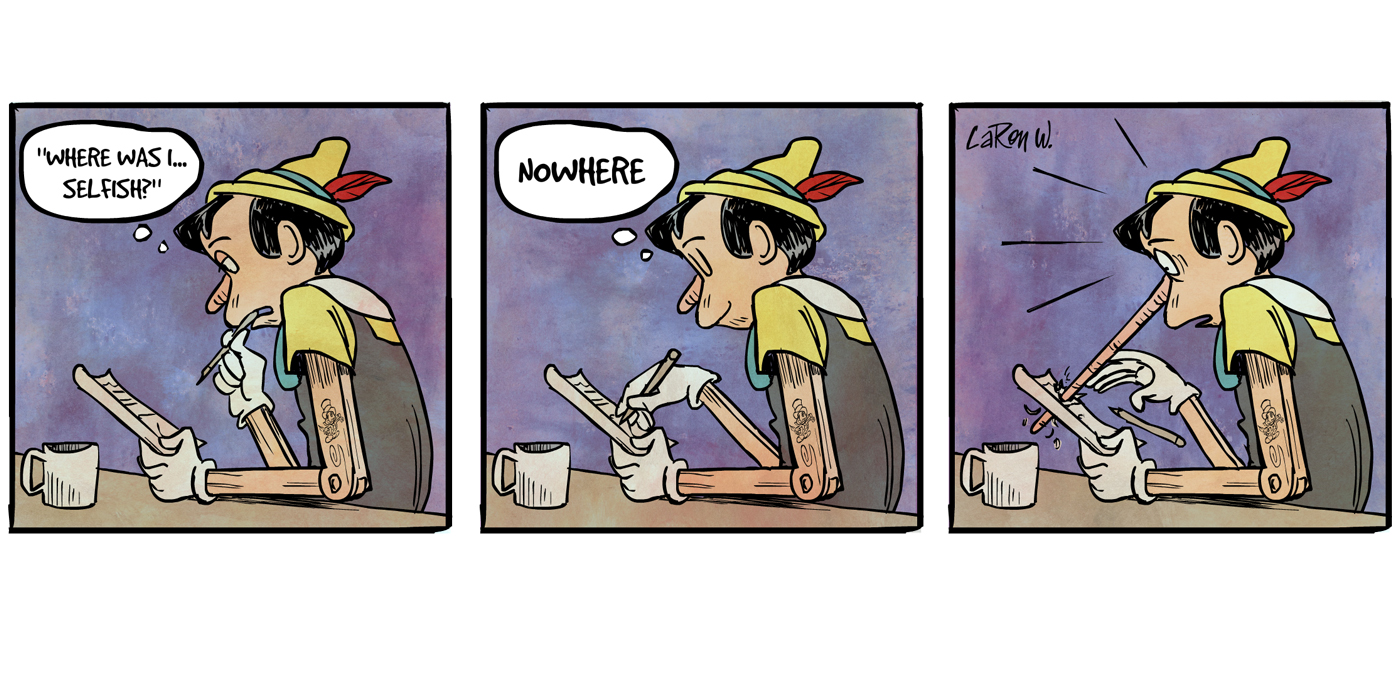
The Steps replace the addictive process with a Program of recovery.
This happened almost 20 years ago, when I was just beginning this recovery Program. On my way to work, I was driving slowly when the vehicle behind me suddenly sped up and hit my car. It was a very minor collision, but I thought, “I can take advantage of this and get some money out of it. I’ll just say that he damaged the entire rear part of my car. I knew that the other damages had been caused previously and were in no way the responsibility of that driver.
It turned out to be a young woman. She told me that she had accelerated accidentally, and that she couldn’t have caused all that damage—it was clear her responsibility was limited to a small scratch. I kept insisting; we argued, and then my Higher Power enlightened me. I thought, “Something’s not right here—I’ll call my sponsor.”
I told him what happened, and he said, “Nelson, where is your honesty?” I didn’t like that question and replied that it had nothing to do with honesty. He helped me see that I was doing something wrong—charging that driver for damage that I knew my car already had. I asked, “What should I do?” He said, “Apologize and go to work.” So, I did.
Later, as I practiced the Steps and examined that experience, I learned that I can’t obey the first thought that comes to my mind—it’s often an addictive or negative thought. It helps me to apply the slogan, “Think, think, think”. That addictive thinking is tied to self-deception—“I’ll take advantage of this situation,” or “It’s not such a big deal; it’s just a small fault.” It helps me to pause between thought and action.
My sponsor used to tell me that to maintain lasting and quality sobriety, I had to be rigorously honest. Lies, insincerity, or dishonesty in any area can lead me to relapse, because as an addict in recovery, my stability depends on my spiritual condition. Just as I cannot allow myself to become intoxicated with lustful looks, memories, or thoughts, I must also be completely honest in my surrenders. I use the filter “lust-based decisions”—I ask myself: If this person were fat, old, and unattractive, would I still talk to them? Do I really have a non-sexual connection in this social exchange, or am I deceiving myself? Lust wears disguises. I cannot feed the negative connection; it does not help me to slowly drift back to hell instead of running joyfully toward heaven.
This experience led me to examine self-deception. At first, I did not realize my attitude was wrong—it seemed normal to take advantage of the situation. By practicing the Steps, I changed. Today, I can make a spot inventory to examine whether I am acting as God would have me act or following my sick ego. I cannot behave like an active addict, but as a recovering sexaholic. I am in a program of change, and it was very comforting when my wife told me that I had truly changed for the better.
The White Book says, “There is one sure way to get more than mere physical sobriety, and that is by coming out of denial, seeing our wrongs, and righting them under God—making Steps Four through Ten a way of life. The result is a new life.” (SA 98)
In the 19 years of sobriety in SA that I recently celebrated, I have often found my sponsor’s question useful: “Where is your honesty?” It has helped me return to the path when self-deception has tried to lead me astray. It has helped me avoid reckless behaviour. Other questions from my sponsor also help me when I feel the urge to act out: What are you running from? How are your resentments and fears? The Tenth Step inventory is very important; it keeps me alert and helps me confront the negative force within me. Self-examination allows me to replace the addictive process with one of recovery and growth.
Practicing the Steps allows me to live with hope, confidently awaiting God’s blessings, aspiring to spiritual awakening, and living a happy and useful life.
Nelson, Venezuela