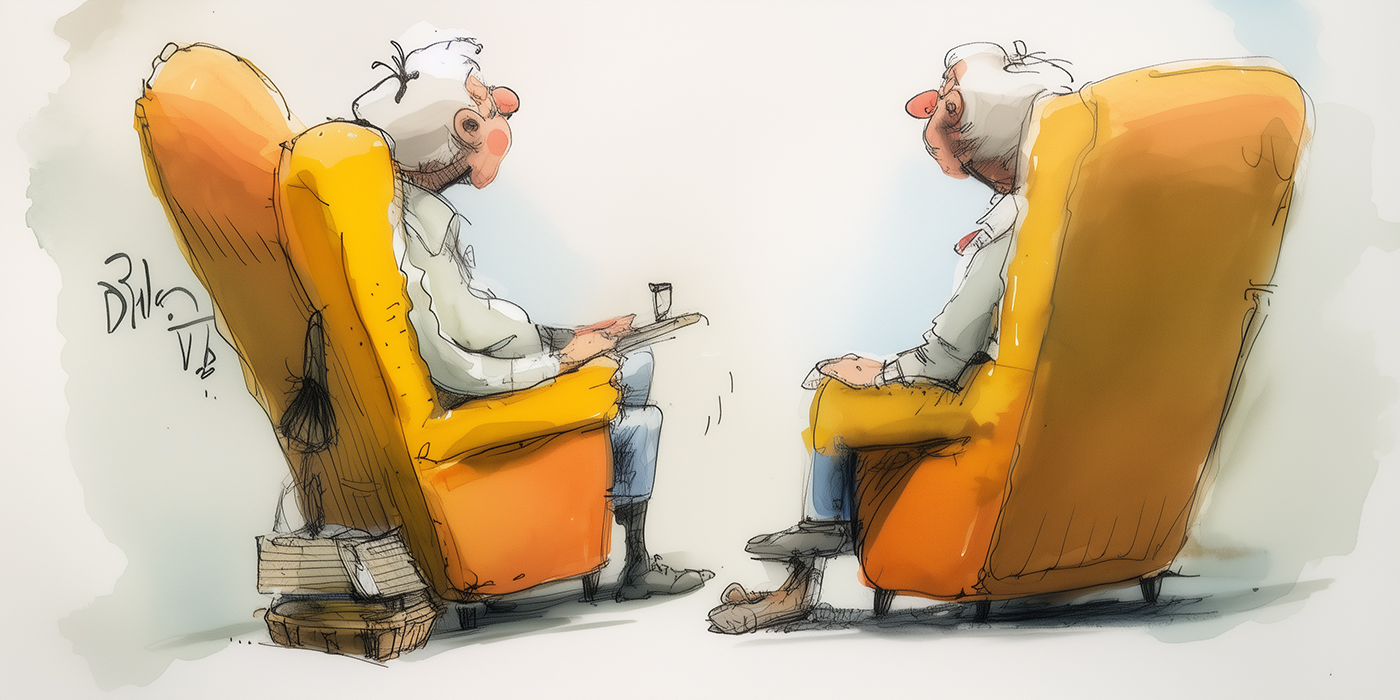

This member shares how following the “no crosstalk” guidelines fosters real respect for all the members in the meeting.
Over my 25 years in the Program, the opening of a meeting always includes a request that there be no crosstalk. I have learned that crosstalk is giving advice to others who have already shared.
I am reminded that I speak in the “‘I,’ not ‘we’ or ‘you’” (SA 186 ).
Instead of referring directly to another person’s share by name, I can simply say, “I can relate to a previous share,” and I can tell of one of my own experiences on the matter. Otherwise, I bring attention to the other person and distract from the share.
If crosstalk occurs, the chair can remind the person of this policy. Also, anyone can raise a hand acknowledging when crosstalk has occurred.
It has been suggested that if a person is emotional in a share, rather than talking to the person, or placing a hand on the person for comfort, I let the person sit with those feelings. I can approach that person after the meeting. Although maybe trivial, if someone sneezes, I never acknowledge it with a “…” as it might also disrupt the flow of a member’s share.
Ideally, nothing interferes with the flow of someone’s share.
Brad G., New York, USA