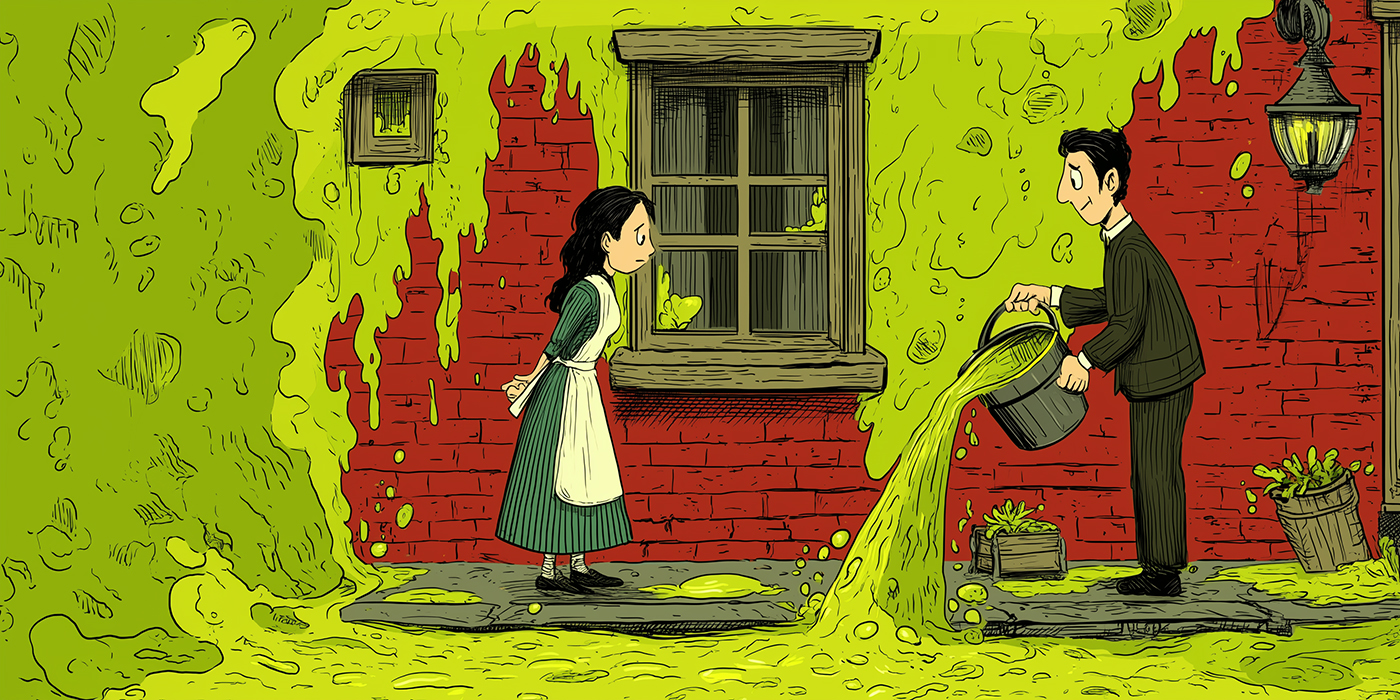

She realized that, following the guidance of our literature and of her sponsor, she adoivded experiencing the tragedy of a premature disclosure.
I consider myself very fortunate in the course of my disease and recovery. I was not discovered by my husband in an affair. I was never publicly exposed or humiliated. I was not arrested for anything related to my sex addiction. I was never confronted by the wife of a man I was inappropriately involved with. And yet, as I crossed one personal boundary after another, I knew I was not being the person my Creator wanted me to be. Mistakenly thinking an external boundary would stop my acting out, I believed getting married would solve my problems. About a year later, I found I was not content because I was used to adrenaline, drama, intrigue, and the excitement of the forbidden. I did not know that I was still in the grip of lust addiction. And I knew I was not the wife or the person I wanted to be.
Through a group of people unrelated to SA, I heard the term “sex addiction” for the first time in 1989, and I could relate to the personal experiences I heard. I started slowly learning more and seeking a solution—not wanting to quit my behaviors, but to change my husband, since I blamed him for my affairs. Eventually, I found an “S” program in 1991 that helped me get started on my journey of recovery. I believe I knew intuitively that when I shared with my husband about being unfaithful, I wanted to be able to say, “Here is what I have done, and here is what I am doing to change my behaviors: Steps, meetings, sponsorship, and no contact with inappropriate men.”
Just as I started recovery, I got a sabbatical from my job and worked temporarily in a city about a 10-hour drive away from home for about 9 months. Working eight hours per day, four or five days per week, I spent the rest of my time on recovery. When I felt ready, I arranged a sandwich call with my sponsor (calling her before and after I spoke with my husband). As I had planned, I was able to tell him about what I had done (past tense) and what I was doing about it. I was very fortunate that he did not ask for details. He took care of himself by arranging counseling. He must have had a good counselor. He never wanted to know the details of my affairs. He was supportive of my efforts toward recovery from the beginning. Still today, he has a clear boundary: if I start verbally processing something about recovery, he reminds me to talk with my sponsor instead. I had many stops and starts before finding SA, and he remains emotionally and materially supportive.
What I did right in disclosure (see page 3 of Sexaholics Anonymous):
- Had a period of sobriety first
- Carefully considered it with a sponsor first and had other support people in place for
myself
- Was not trying to dump my guilt so I could feel better
- Was not trying to get back into good graces
- Was not making a show of willpower
- Spoke when and where he could access support for himself
- Did not disclose details
- Continued to make a living amends on a daily basis with changed behaviors and
attitudes.
Susie B., USA